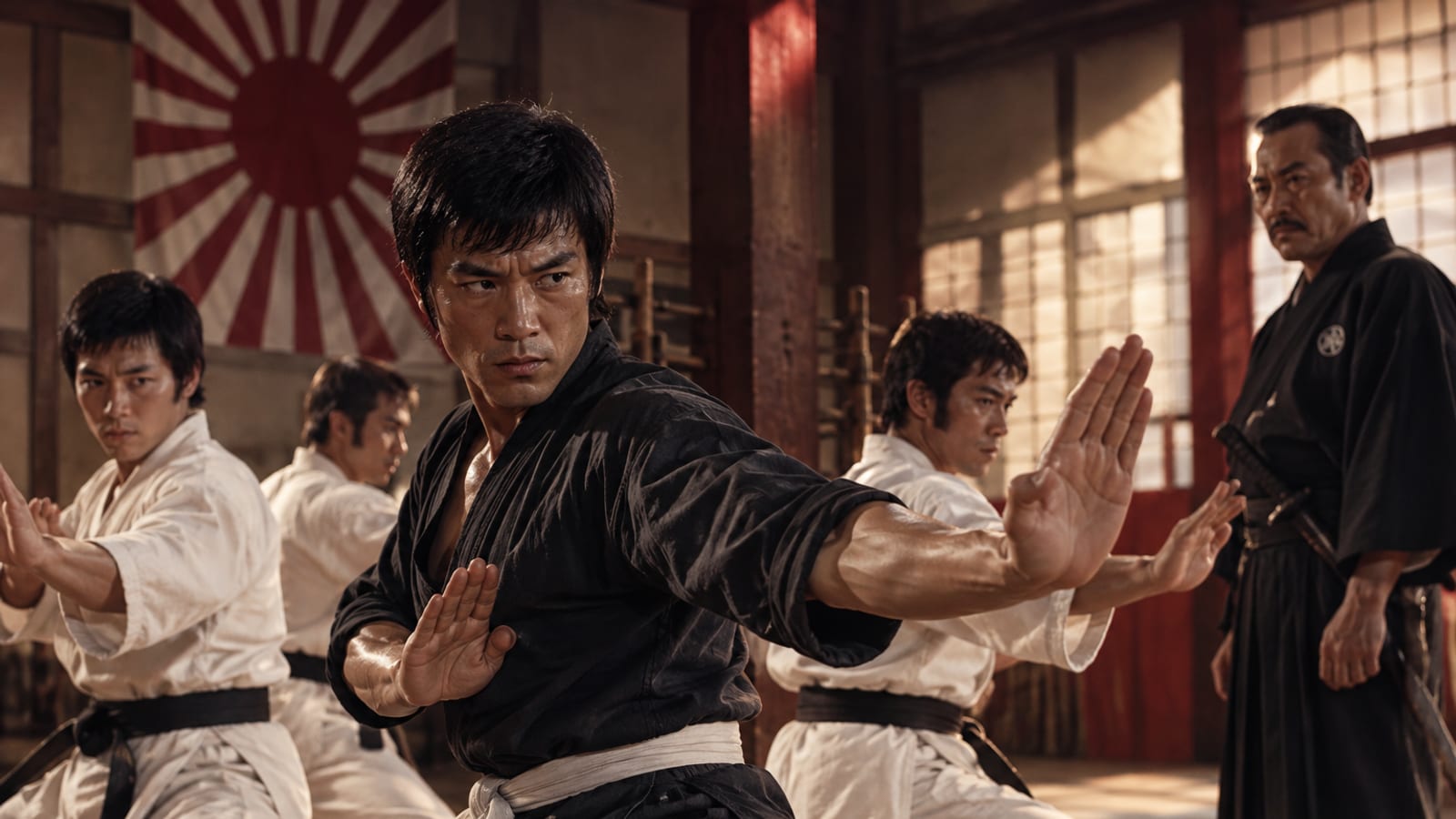
Here is a question worth sitting with: when every other Shaw Brothers production in 1978 was happy to play Japanese karate as the butt of the joke, what made Lau Kar-leung decide it deserved the same serious treatment he gave his own lineage? He could have taken the easy road. The market practically demanded it. Instead, Heroes of the East became something rarer — a film that asks you to watch two traditions with equal attention and come away respecting both.
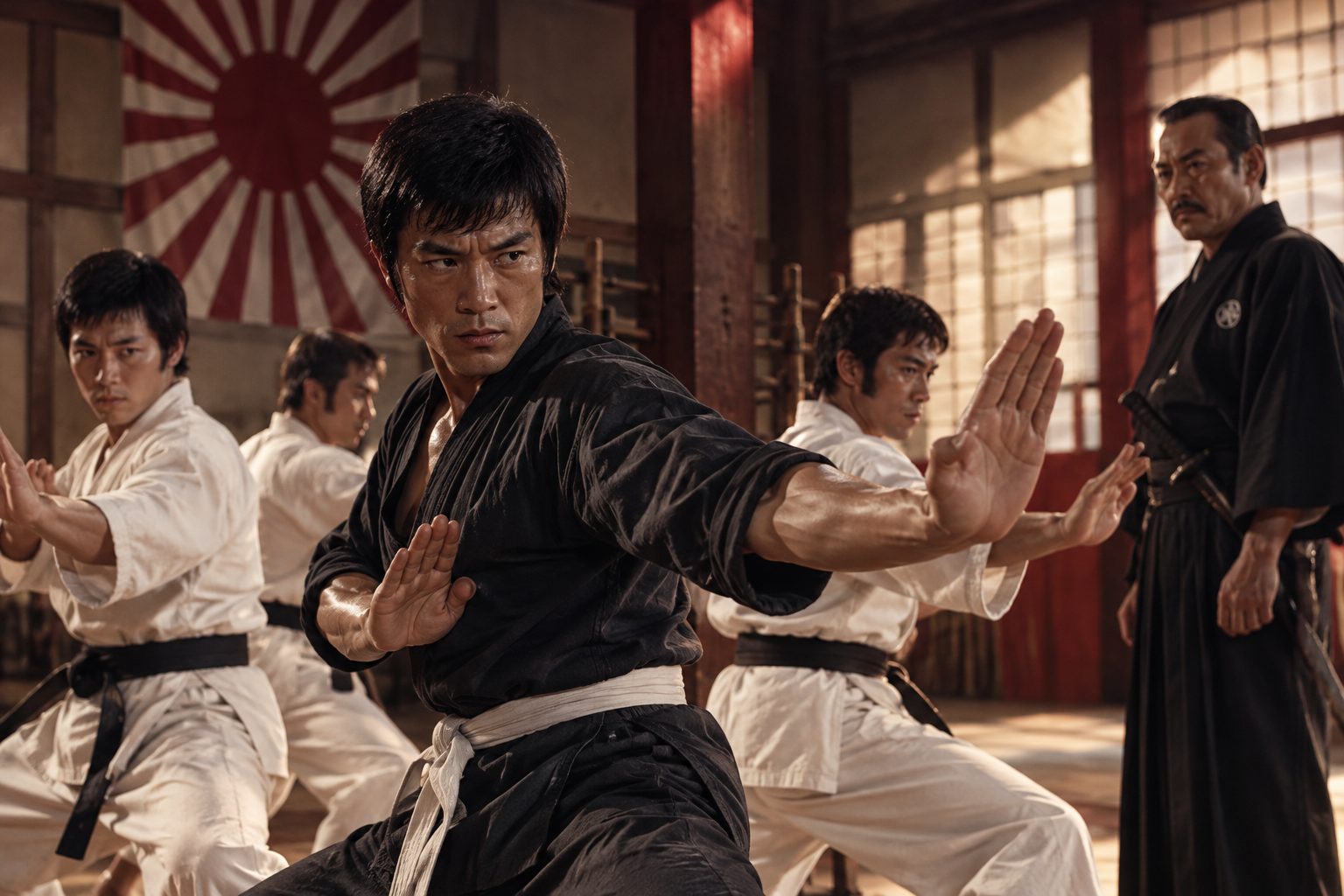
The Setup: Why This Mattered in 1978
By the late 1970s, the kung fu boom was running out of road. The market was flooded with films that either played martial arts for slapstick or wrapped everything in nationalist chest-beating. In that climate, Lau Kar-leung’s approach stood out immediately. Most Shaw Brothers productions that touched on Japanese martial arts used them as shorthand for the exotic or the ridiculous. Lau, who had spent his life inside a genuine martial arts lineage, was not interested in that game.
His background as both a practitioner and a choreographer shaped every decision he made behind the camera. The sequences in Heroes of the East are not just visually clean — they are technically honest. That was not the norm. The spectacle usually swallowed the craft whole. Lau refused to let that happen, and the film has outlasted almost everything else from that year because of it.
The Training Montage as Technical Education
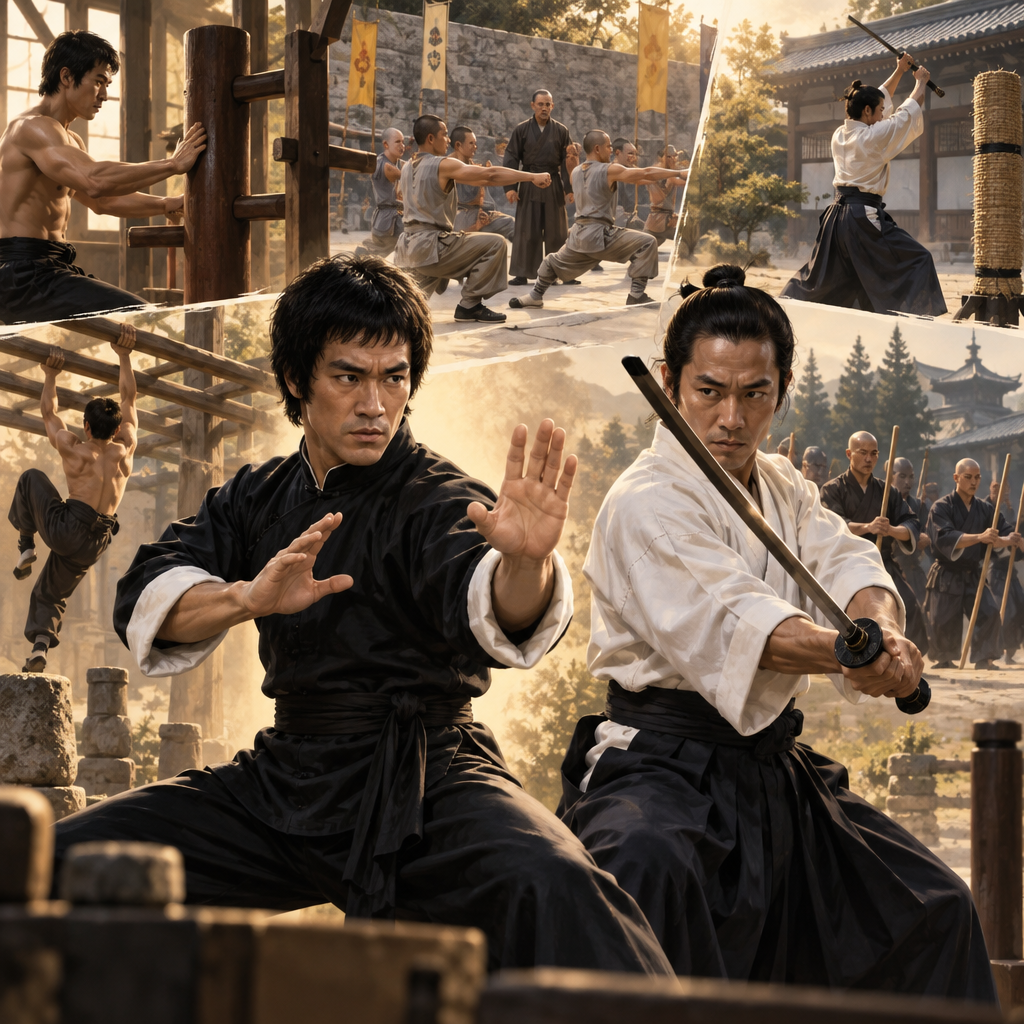
The training sequences in Heroes of the East function as a genuine education in what separates these two martial traditions. Lau structured the choreography so that individual techniques get room to breathe. He isolates each form long enough for you to actually see what is happening — where the weight sits, how the attack is generated, what the defensive logic is behind the movement.
Chinese martial arts come across as fluid and continuous. Japanese techniques read as precise and loaded with compressed power. Neither is diminished to make the other look better. That kind of balance was almost unheard of in films of this era, and it reflects the same teaching instinct Lau brought to his other work. He was not just staging fights. He was explaining something.
Respect Without Surrender: The Karate Sequences
What Lau pulls off with the karate sequences is genuinely difficult. He presents the art as formidable — something that demands real preparation to face — without tipping the film into a story about Japanese superiority or Chinese humiliation. The nationalist reading that other films would have leaned into hard is simply not available here, because the choreography will not support it.
The stunt work on both sides is staged to show discipline and commitment. The narrative structure holds the balance steady all the way to the final confrontation, which lands as a meeting of equals rather than a verdict. That is a hard thing to choreograph your way into, and Lau does it without making it feel calculated. For more on how fight sequences carry thematic weight, our breakdown of the ladder sequence in The 36th Chamber gets into the same territory.
Why This Still Matters to Modern Viewers
Audiences now are sharper about this stuff than the industry sometimes gives them credit for. Viewers who grew up with anime, with tokusatsu, with any serious engagement with Japanese martial culture can tell immediately when a film is playing it straight versus playing it for laughs at someone’s expense. Heroes of the East holds up under that scrutiny because Lau was not performing respect — he actually had it.
The film is worth tracking down for anyone who cares about the craft behind what they are watching. For a deeper look at how these martial arts lineages moved through Shaw Brothers productions, our piece on the Hung Gar lineage on screen traces exactly that thread.
Heroes of the East is available on streaming now. If you are new to Lau Kar-leung, this is a strong place to start. If you have seen it before, go back and watch the training sequences with the sound low and just follow the form. You will catch things you missed the first time.
Old School Shaolin and Wu exists to keep this history alive and put it in front of people who are ready to take it seriously. There are performers and choreographers in this genre who shaped the way action cinema works and never got the recognition they deserved. We are not going to let that stand. Stick around and we will keep pointing you toward the films and figures that matter.
How Lau Built the Choreography From the Inside Out
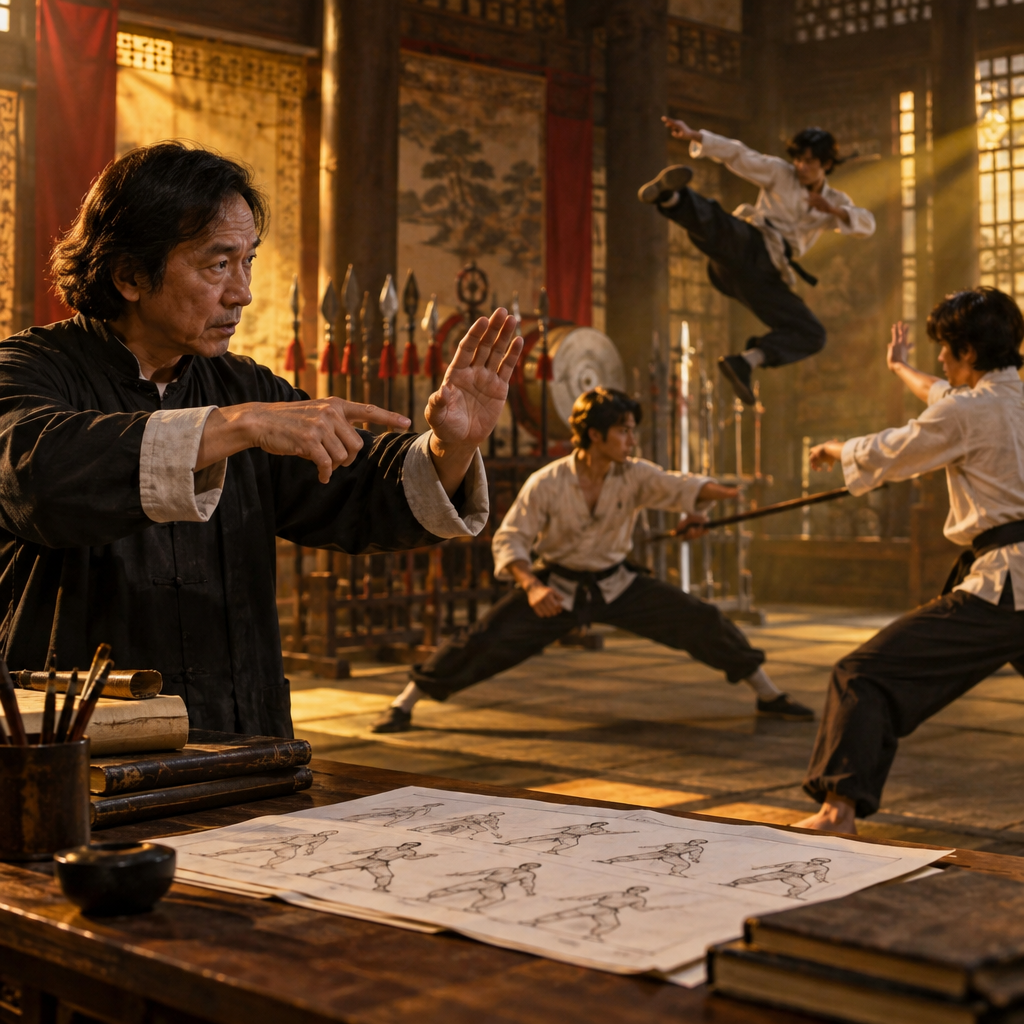
What separates Lau Kar-leung’s choreography from the competition is that it starts with the question of what a technique actually does, not what it looks like from the cheap seats. Every move in Heroes of the East has a reason behind it. He was not interested in flash that could not be explained. That philosophy runs through the entire film and it is why the sequences hold up under repeated viewing in a way that pure spectacle never does.
The rhythm and timing he builds into the fight choreography do specific work. By syncing the movement to the film’s pacing, he controls how tension accumulates across a sequence. The contrast between the flowing continuity of Chinese forms and the structured, loaded strikes of Japanese karate is not just visual — it is felt. The audience registers the difference in their bodies before they can articulate it in words.
Training Sequences as Character Development
In most martial arts films, the training montage is a plot device. It fills time between the setup and the payoff. Lau uses it differently. In Heroes of the East, the training sequences track the protagonist’s internal shift — the point at which studying an opponent’s art stops being strategic and starts becoming genuine respect. That is a subtle thing to put on screen, and the choreography carries most of the weight.
By slowing down and isolating the nuances of each martial art, Lau gives the training scenes a narrative function that most directors hand entirely to dialogue. The result is that when the confrontations finally arrive, they feel earned in a way that goes beyond who wins the fight.
A Checklist for Watching Martial Arts Films Seriously
- Authenticity: Is the film presenting the techniques accurately and with genuine respect for the tradition they come from?
- Choreography: Does the fight choreography serve the story, or is it decoration sitting on top of it?
- Character Development: Are the training and fight sequences doing real work on the characters, or are they just filling time?
- Thematic Consistency: Do the martial arts styles on screen actually connect to what the film is trying to say?
- Cultural Representation: Are the traditions being depicted with care, or is one being flattened to make the other look good?
Frequently Asked Questions
Why did Lau Kar-leung care so much about getting the martial arts right?
Because he lived inside the tradition. Lau was not a director who researched martial arts for a project — he was a martial artist who also directed. His lineage ran directly through his father and back through generations of Hung Gar practice. Presenting any martial art carelessly would have felt like a personal failure to him, and that standard extended to the Japanese arts he depicted in this film as much as to his own.
How does Heroes of the East differ from other martial arts films of its time?
Most films of the era used Japanese martial arts as a foil — something to be defeated and dismissed. Heroes of the East refuses that structure entirely. Lau’s choreography gives both traditions genuine weight, and the narrative supports that balance all the way through. There is no moment where the film asks you to stop taking karate seriously. That alone made it unusual, and it is a large part of why the film still holds up.
What impact has Heroes of the East had on martial arts cinema since?
It set a standard that most productions still have not matched. The combination of technical accuracy, character-driven choreography, and genuine cross-cultural respect gave later directors and choreographers a model for what the genre could do when it took itself seriously. You can trace its influence through any martial arts film that treats its stunt work as craft rather than spectacle.
What Cultural Exchange Actually Looks Like on Screen
Heroes of the East is one of the clearest examples in the Shaw Brothers catalog of what it looks like when a filmmaker genuinely engages with a tradition outside his own rather than borrowing its surface. Lau does not use Japanese martial arts as atmosphere or as an obstacle. He uses them as a subject — something worth understanding on its own terms.
That is what makes the film land differently than its contemporaries. The craft is there in every sequence, but so is the curiosity. Lau wanted to know how these systems worked and why, and that question drives the film from the first training scene to the last fight. It is a reminder of what martial arts cinema can do when the people making it actually care about what they are showing you.

Leave a Reply